How to Separate Business and Personal Finances as a Sole Proprietor
Why a sole proprietor should separate business and personal money, how to set it up, how to split a vehicle, phone or home office, and how to pay yourself.
ReceiptOne Team
Quick answer
Run your business money through its own bank account and card, pay business costs from it, and move money to yourself as owner's drawings rather than a salary. For things you use both ways, such as a vehicle, phone or home office, claim only the business part, worked out on a reasonable basis like kilometres or floor area. The CRA pages cited here do not require a separate account, but it makes the records they do require much easier to keep.
As a sole proprietor, there is no legal wall between you and your business. The money in your pocket and the money the business earns belong to the same person, and both end up on your personal return. That is exactly why keeping them apart in practice is worth the effort.
This guide covers why separation helps, how to set it up, how to handle expenses that are part business and part personal, and how paying yourself works. The CRA rules come from canada.ca; the pages are listed at the end. Examples are hypothetical.
Why Separation Helps
Cleaner records
The CRA's business records page asks you to keep records of all your transactions and to keep your bank statements, deposit slips and cancelled cheques. When the business has its own account, its statement is a ready-made list of business transactions. When everything runs through one personal account, you have to sort groceries from supplies every month before you can even start.
An easier CRA review
Guide T4002 says you cannot deduct personal expenses and should enter only the business part of each expense. If the CRA asks you to support a claim, a separate account lets you show the business transactions without walking through your personal spending line by line. It also makes it harder to miss income or to claim a personal purchase by mistake.
A clearer picture of the business
With its own balance, you can see at a glance what the business has earned, what it has spent and what is set aside for tax. That is hard to judge when the same account also pays rent and groceries.
Set Up a Separate Account and Card
You do not need a corporation to have a business account. A practical setup for a sole proprietor:
- One chequing account for the business: client payments go in, business costs go out.
- One card used only for business purchases.
- A savings account for money set aside for income tax and any GST/HST you collect.
- A regular transfer from the business account to your personal account when you pay yourself.
If you use the wrong card
It will happen. If you pay for a business expense personally, keep the receipt and record the expense like any other; it is still a business expense. If you put a personal purchase on the business card, note it as personal so it is not claimed, and treat it as money you took out of the business. Either way, make the note the same day.
Mixed-Use Expenses: Claim the Business Part
Some things are both business and personal no matter how many accounts you have. For those, Guide T4002 asks you to claim only the business part, worked out on a reasonable basis. The three most common are a vehicle, a phone and a home office.
Vehicle
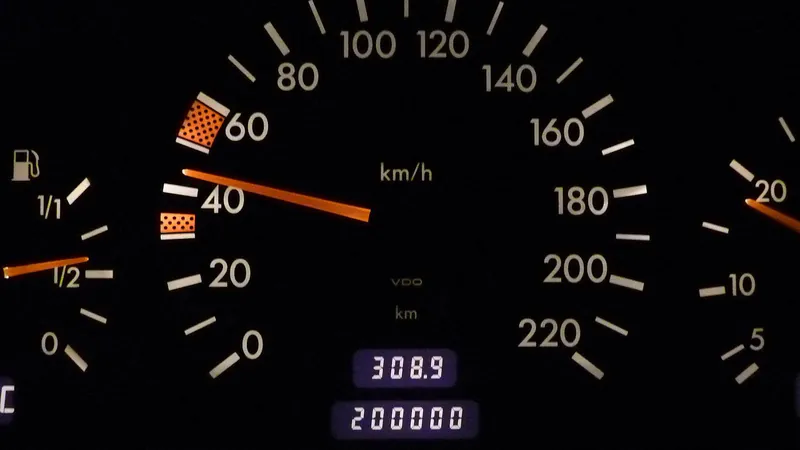
If you use your vehicle regularly for both business and personal trips, T4002 says you can claim part of its total operating expenses, and you must keep records showing the part of the total kilometres you drove for business. The business part is business kilometres divided by total kilometres. The CRA asks for a log of each business trip with the date, destination, purpose and kilometres, plus the odometer reading at the start and end of the fiscal period.
Hypothetical example: you drive 20,000 km in the year, 8,000 of them for business. Business use is 40%, so 40% of your fuel, insurance, licence and repair costs is the business part. Guide T4002 applies the same kind of ratio to capital cost allowance on a vehicle used both ways. Read our mileage deduction guide.
Phone
T4002 sets specific rules for phones. You cannot deduct the basic monthly rate of your home telephone, but you can deduct long-distance calls you made on it for business. If you have a separate line for business calls only, you can deduct its basic monthly rate. For a cellphone you use to earn business income, you can deduct the percentage of airtime expenses that relates to the business.
To support a cellphone percentage, keep a note of how you worked it out, for example by reviewing a typical month's call and data use. Recheck it if the way you use the phone changes.
Home office
You can claim a workspace in your home only if it is your principal place of business, or if you use it only for the business and on a regular and ongoing basis to meet clients, customers or patients. The CRA says to use a reasonable basis, such as the area of the workspace divided by the total area of the home. If the room is also used for personal living, multiply by the share of the day it is used for business. Home office expenses cannot create or increase a business loss, but any unused amount carries forward to the next year. See our home office deduction guide.
Write your percentages down
For each mixed-use item, keep a short note of the percentage you used and how you got it: the logbook totals, the floor measurements, the phone review. Keep the note with the year's records, so the numbers on your return can be explained years later if needed.
Paying Yourself as a Sole Proprietor
A sole proprietor does not pay themselves a salary in the tax sense. Guide T4002 defines a drawing as any withdrawal of cash, including amounts you call a salary, or other assets or services of the business by the proprietor. It also covers using business assets or services for personal purposes. Drawings are recorded in the equity section of Form T2125, not as an expense.
On the line for salaries and wages, T4002 says not to deduct salaries or drawings paid or payable to yourself. Your income tax is based on the business's net income on T2125, whatever you withdrew during the year.
A simple way to pay yourself
- Pick a regular day, such as the first of the month, to transfer money to your personal account.
- Before you transfer, top up the tax savings account and set aside any GST/HST you collected.
- Record each transfer as a drawing, not as an expense.
Leaving tax money in the business matters because nothing is withheld for you. The CRA says you must pay instalments if your net tax owing is more than $3,000 ($1,800 in Quebec) in the current year and was also more than that in either of the two previous years. See the current CRA deadlines.
Putting It Together
Separation is a set-up job you do once, followed by small habits: business purchases on the business card, receipts captured the same day, percentages noted for mixed-use items, and regular drawings after tax money is set aside. Read our plain-English bookkeeping guide.
Frequently Asked Questions
Do I need a separate bank account as a sole proprietor? The CRA pages cited here do not require one. They do require records that support your claims and that you deduct only the business part of expenses, and a separate account makes both much easier.
Can I pay myself a salary from my sole proprietorship? Not in the tax sense. Money you take out, even if you call it a salary, is a drawing. Guide T4002 says not to deduct salaries or drawings paid to yourself.
How do I work out the business part of my vehicle costs? Divide business kilometres by total kilometres for the year and apply that share to your operating costs. Keep a logbook of each business trip and your odometer readings at the start and end of the year.
Can I deduct my cellphone bill? You can deduct the percentage of airtime expenses that relates to earning business income. For a home landline, the basic monthly rate is not deductible, but business long-distance calls are.
What if I pay for a business expense with my personal card? Keep the receipt and record it as a business expense; how you paid does not change what it was for. A separate business card just makes these cases rarer.
Sources: Business records · T4002, Chapter 3 – Expenses · T4002, Chapter 4 – CCA · Motor vehicle records · Business-use-of-home expenses · Instalments: who has to pay
All read on canada.ca on November 14, 2026. Guide T4002 is the 2025 edition, the newest published. This is general information, not tax advice.
Spotted an error or something out of date? Let us know at support@receipt-one.com.